
The RV rental industry is experiencing remarkable growth. The global market is currently valued at $2.72 billion and is projected to reach $3.62 billion by 2030. North America represents 46% of this market, making it a prime opportunity for entrepreneurs.

While large fleet operators still dominate, private owners are rapidly gaining market share through peer-to-peer platforms like RV Share and Outdoorsy. In fact, Outdoorsy reported reaching $3 billion in total booking revenue in 2024, with projections of $8 billion by 2029.
Research shows that 53% of booking revenue comes from motorized vehicles, with camper vans consistently ranking at the top of search results.

So to maximize profits and minimize headaches when launching your rental business in 2025 here are 8 Essential Steps to get started.
1. Choose the Right RV
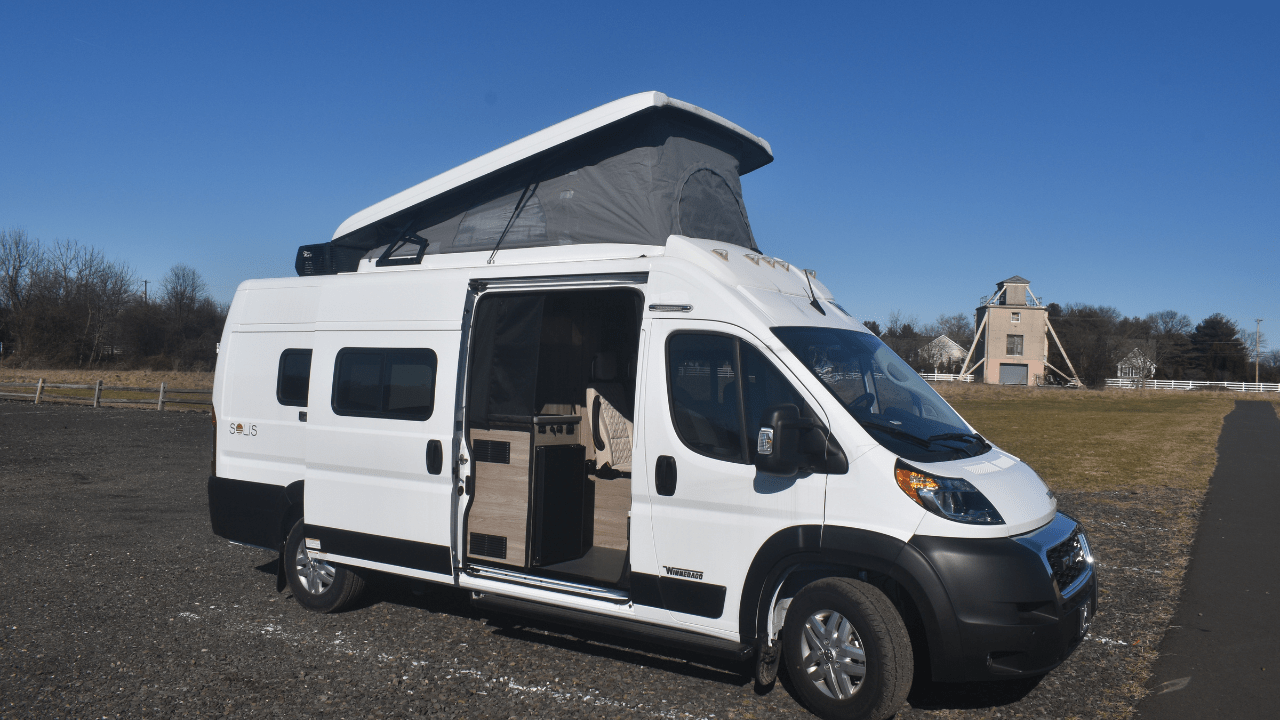
If possible purchase a camper van. Here’s why they outperform other RV types:
- Market Appeal: Camper vans are less intimidating for first-time renters and attract a broader customer base.
- Versatility: These vehicles fit in standard parking spaces, driveways, and grocery store lots—unlike larger Class A or Class C motorhomes.
- Lower Maintenance: With fewer exterior appliances and no slide-outs, you’ll spend less time and money on repairs. Weather-exposed components like refrigerators and water heaters in larger RVs often require frequent maintenance.
- Weight Management: Limiting occupancy to four people prevents overloading issues common with larger RVs that accommodate eight to ten guests with excessive luggage.
- Where to Find the Best Deals: Use RV Trader, RVt.com, or RV Universe to search nationwide for deals. Shopping in November or December often yields the best prices as dealerships clear inventory for the new season.

2. Must-Have Features for Your Camper Van
These features have proven to be the most popular and requested by renters:
- Air Conditioning: Comfort is non-negotiable, especially during summer rentals
- Bathroom: Most renters specifically seek RVs with onboard facilities—it’s often their primary motivation for renting
- Generator: Necessary for running the air conditioner and powering small appliances like coffee makers and toaster ovens
3. Select the Right Platform
Multiple peer-to-peer platforms now exist, with Outdoorsy and RV Share being the most popular but it’s best to choose one platform and master it before expanding.
These platforms can be very helpful in building an RV rental business because they provide leads and backend administration.
4. Optimize Your Listing for Maximum Bookings
- Mileage Policy: Offering free miles with a restriction like 2,400 free miles per rental, offers a generous allowance but keeps your vehicle within a reasonable geographic range, reducing wear and tear while avoiding costly cross-country breakdown scenarios.
- Generator Use: Provide unlimited generator use to enhance the rental experience without added complexity.
- Strategic Add-Ons: Offer optional extras for a fee like bikes, bike racks, and bed linens. Important: Complimentary linens create labor-intensive turnover processes so its important to offer them with a fee attached.
5. Create Compelling Listing
Photography can make or break your listing success. Take extensive photos including:
- Professional-quality interior shots
- Lifestyle photos showing the van in picturesque locations
- Campsite setups with tables, chairs, and awnings deployed
- Detail shots of key features and amenities
These images help potential renters visualize their experience and significantly increase booking rates.
6. Prepare the Vehicle Properly
Stock your camper van with these essentials:
- Complete kitchenware set
- Cleaning supplies, mop, and broom
- Extra toilet chemical tabs
- Collapsible trash can with bags
- Complimentary camping chairs and mat
Create Instructional Videos: This is perhaps the most critical preparation step. Comprehensive video tutorials help renters familiarize themselves with the RV before pickup and serve as a reference guide during their trip, dramatically reducing support calls.
7. Build Your Online Presence
Create a simple website showcasing your RV with photos and videos. This serves multiple purposes including the following:
- Enhances your search engine visibility on Google and other browsers
- Positions your rental as professional and trustworthy
- Provides a central hub for all rental information
- Helps you rank higher in local search results
8. Establish a Maintenance Network
Repairs are an inevitable part of managing an Rv rental business and having reliable and available mechanics is essential, so its best to establish the following:
- Two certified RV technicians: For specialized RV system repairs
- Two general mechanics: For engine maintenance and vehicle-specific issues
Having backup options ensures you’re never stuck waiting for a single busy mechanic when you need quick turnaround between rentals.
Mental Preparation: The Most Important Step
Maybe the most overlooked aspect of starting an RV rental business is emotional preparation.
It’s easy to become attached to a new RV purchase, but it’s best to treat your RV as a business asset, not a personal possession. Think of it like a company vehicle—something that will generate income but will inevitably experience wear and tear.
Conclusion
Starting an RV rental business in 2025 offers genuine profit potential in a growing market. And while there are many RV types that can be profitable focusing on acquiring camper vans, optimizing your listing, preparing thoroughly, and maintaining the right mindset, you can avoid the costly mistakes that plague many owners.